Allah’s Judgment: The True Intentions Behind Your Deeds
The True Test of Intentions: Beyond Good Deeds
What truly makes a good deed shine in the eyes of Allah? Is it merely the action itself, or does something deeper lie at its heart? This powerful story reveals a profound lesson about intentions, challenging us to look beyond outward acts of devotion, generosity, and bravery. Prepare to discover the critical element that determines the true value of every action.
The Day of Judgment Unveiled
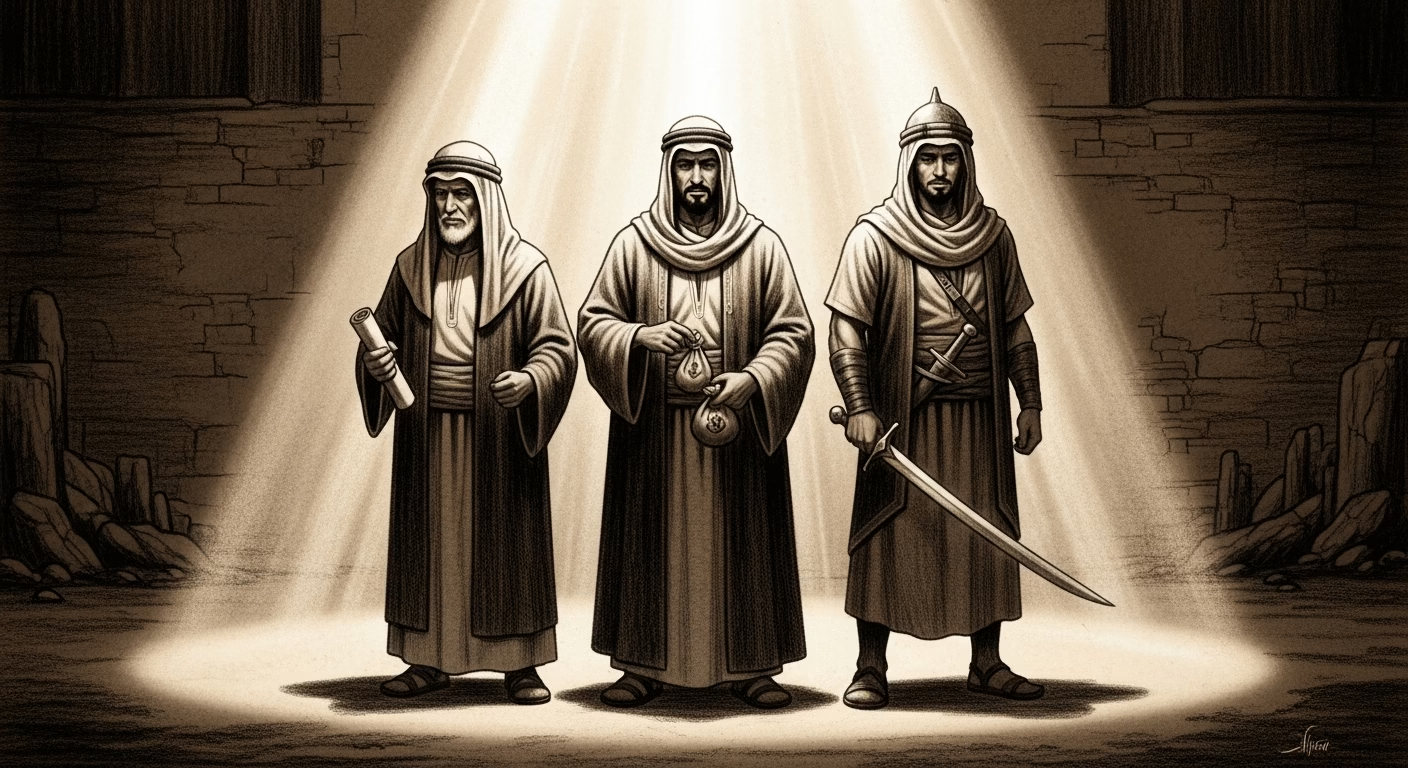
On the Day of Judgment, a profound truth unfolds. It is narrated that the very first three individuals destined for the Fire will be a devoted reciter of the Qur’an, a wealthy person, and a valiant fighter. They stand before an unseen presence, their fates hanging in the balance, as Allah Almighty prepares to question their life’s work and the intentions behind their seemingly good deeds.


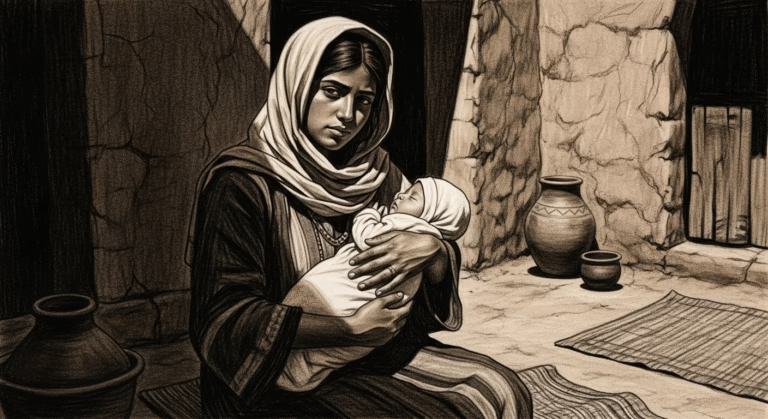
First, Allah Almighty addresses the reciter of the Qur’an, asking, “Did I not teach you what I sent down to My Messenger?” The old man, filled with deep reverence, responds, “Yes, O Lord.” Allah then asks, “What did you do with what you learned?” The reciter proudly replies, “I used to recite it during parts of the night and parts of the day, dedicating my time to Your words.”
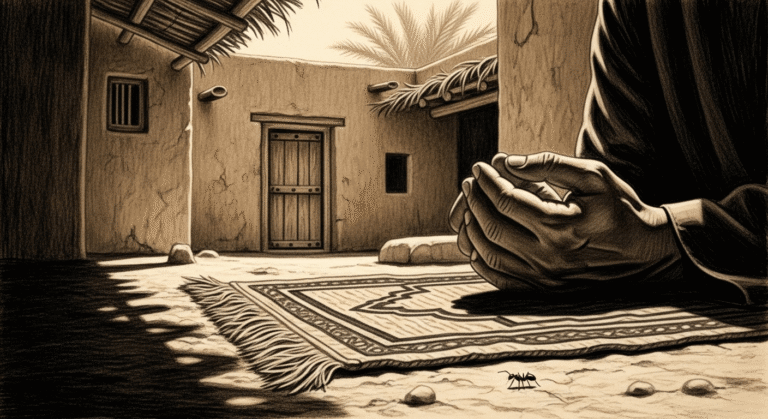
The reciter recounts his devotion, picturing himself in his humble room, reciting silently under the moonlight. He believes his dedication to the holy book will earn him a high station. He explains how he diligently spent his hours, both day and night, immersed in the sacred verses, fulfilling his duty as a student and teacher of the divine message.


But Allah Almighty delivers a shocking revelation: “You have lied. Rather, you wanted people to say, ‘So-and-so is a great reciter,’ and indeed, that was said.” The radiant light pulses intensely, exposing the reciter’s hidden motive. His face drops, etched with visible remorse and shame, as his true intention—seeking human praise rather than divine pleasure—is laid bare.
Wealth, Bravery, and Hidden Motives
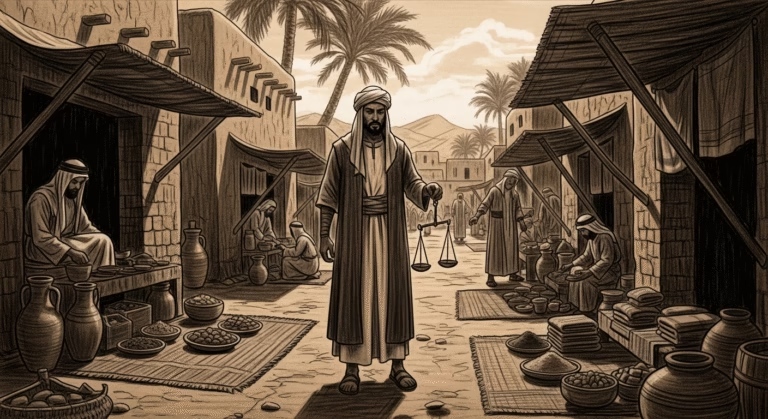
Next, the wealthy person steps forward. Allah questions him, saying, “Did I not give you abundant wealth, so you would never need anyone?” The middle-aged man, initially confident, replies, “Yes, O Lord.” Allah then asks, “What did you do with what I gave you?” The wealthy man answers, “I used to maintain family ties and give charity, sharing my blessings with those in need.”

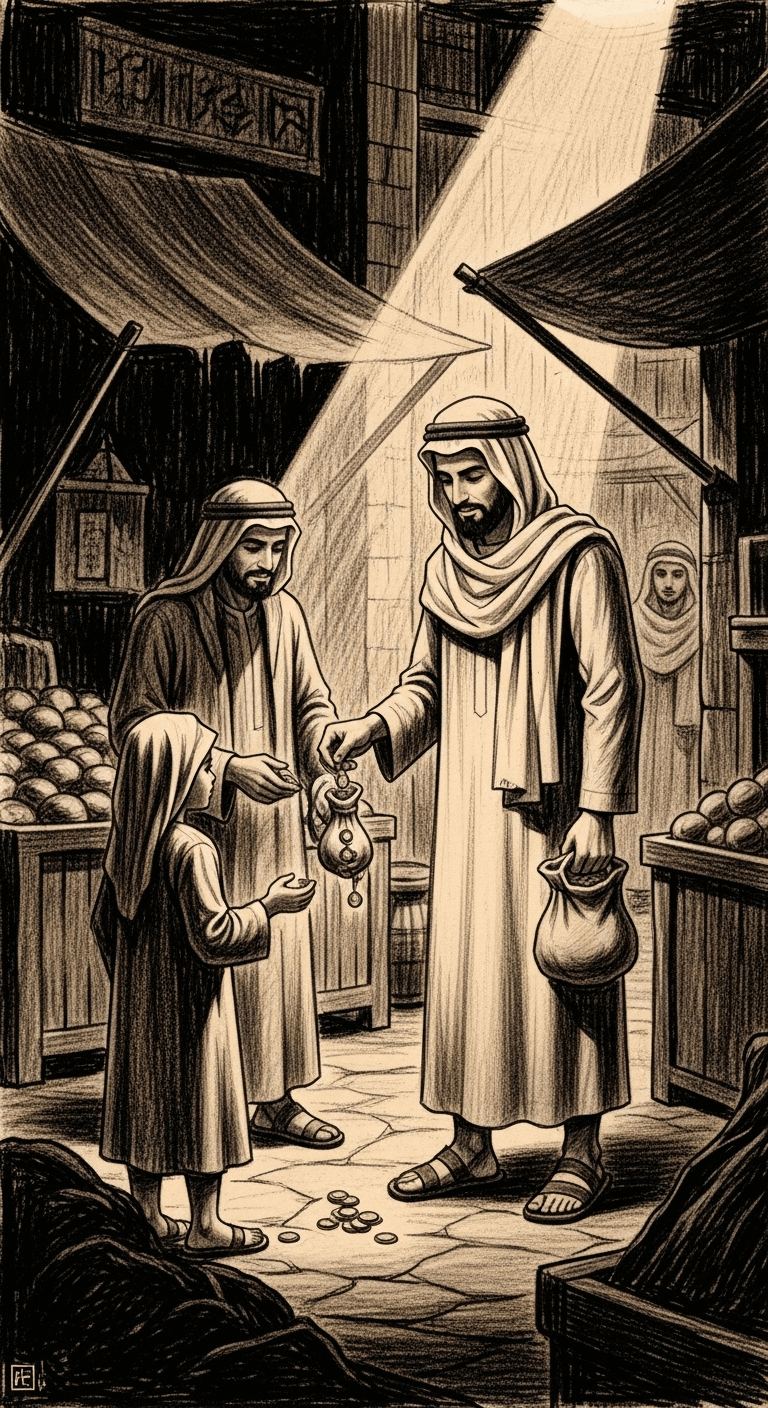
The wealthy man recounts his acts of generosity, visualizing himself in the bustling marketplace, extending coins to a poor man and a child. He believes his charitable giving and efforts to strengthen family bonds demonstrate his gratitude and good character. He proudly presents these actions as proof of his righteous stewardship of the wealth he received.
However, Allah declares, “You have lied. Rather, you wanted people to say, ‘So-and-so is generous,’ and indeed, that was said.” The radiant light flashes, causing the wealthy man to recoil slightly, his face etched with clear embarrassment and guilt. His outward acts of giving, though seemingly virtuous, were tainted by the desire for public acclaim, not sincere devotion.


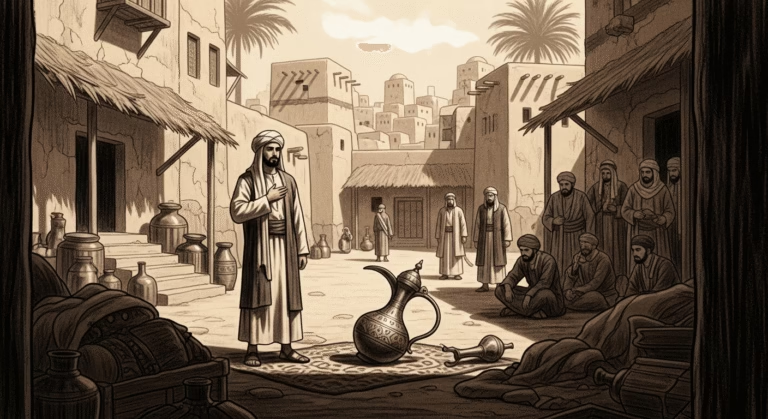
Finally, the one who was killed fighting in the way of Allah is presented. Allah asks him, “For what were you killed?” The strong young man, the fighter, initially stands firm, meeting the light with what he believes is righteous pride. He prepares to declare his ultimate sacrifice, confident in his martyrdom and the purity of his devotion.
He answers with conviction: “You commanded Jihad in Your way, so I fought until I was killed.” He recalls a quick, intense flashback of himself in a chaotic desert battle, fighting bravely, sword in hand, believing he gave his life purely for the sake of Allah. His memory is filled with the heat of battle and the resolve to uphold truth.


But Allah Almighty declares, “You have lied. Rather, you wanted people to say, ‘So-and-so is brave,’ and indeed, that was said.” The radiant light flashes intensely, causing the fighter to visibly shrink, his head dropping in utter despair. His desire for recognition and the title of “brave” had overshadowed his spiritual intention, rendering his great sacrifice hollow.
Watch the Story Come to Life
The Ultimate Consequence
After these profound revelations, Allah issues the final command: all three—the reciter of the Qur’an, the wealthy person, and the fighter—are to be taken and cast into the Fire. Their forms become increasingly dim and shadowed as unseen forces lead them away from the radiant beam of light, towards a distant, dark, and ominous glow. Their actions, though outwardly impressive, lacked the crucial element of sincerity, leading to a tragic end.

The Story’s End
This powerful narrative teaches us a vital truth: intentions truly define our deeds in the sight of Allah. Even grand acts like reciting the Qur’an, giving generously, or fighting bravely lose their value if performed for worldly praise. We must strive for sincere devotion in all our actions, seeking only Allah’s pleasure. Remember, every story guides us to be better, kinder, and closer to Allah in our daily lives.